Someone I loved once gave me
a box full of darkness.
It took me years to understand
that this, too, was a gift.
--Mary Oliver
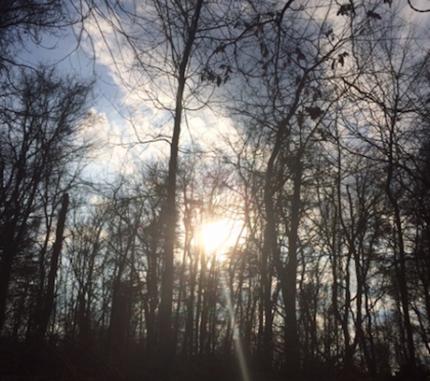
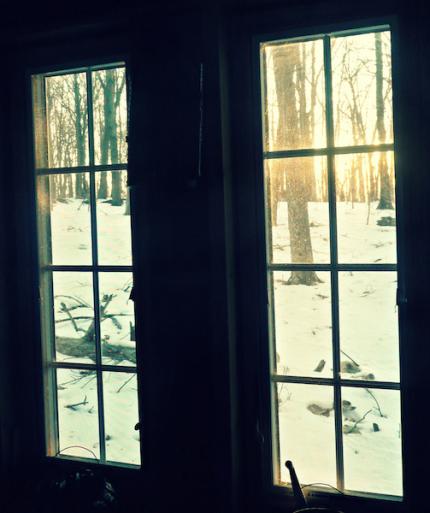
At dawn my small dining room window framed a patch of gauzy coral cloud pierced by a morning star. As I watched, light wafted from the bare treetops and painted the sky silver. Dawn is almost always a welcome turn in the revolving waltz of night and day, dark and light. For several years I was a teacher of 3-6 year olds in a school that had a Montessori-based program of spiritual development, the Catechesis of the Good Shepherd. Around this time of year, we reflected on the verse from Isaiah, “The people who walked in darkness have seen a great light.” We would gather the children and ask them about their times of light in darkness. They told of happiness upon waking in the night and seeing the reassuring nightlight on the bureau, or the crack of light where their dad had left the bedroom door ajar. From infancy, it seems, light has evoked comfort, safety, and joy.



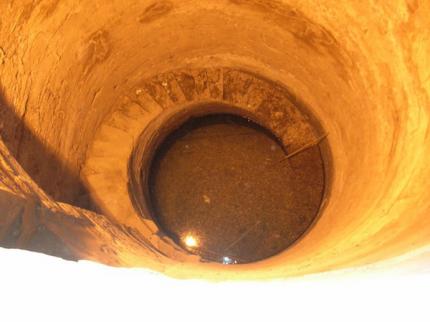
 In an old story, it takes Christ three days to let go of all that holds him to this world, including the breath of life, and journey to the underworld. There he “harrows” the darkness and the depths, as an ancient farmer might probe and stir and prod the soil for planting. Then on the third day he stands next to Mary in the dawn twilight so utterly changed that she doesn’t recognize him, her dearest, most intimate friend. It is Easter, the fire feast of the Resurrection, when Christians hold services at dawn and look to the rising sun in the East while the Earth turns green again and flowers. Thus the holy, uncontrollable alchemy of descent and inception, release and grace, death and transformation, is celebrated.
.jpg)


.jpg)